
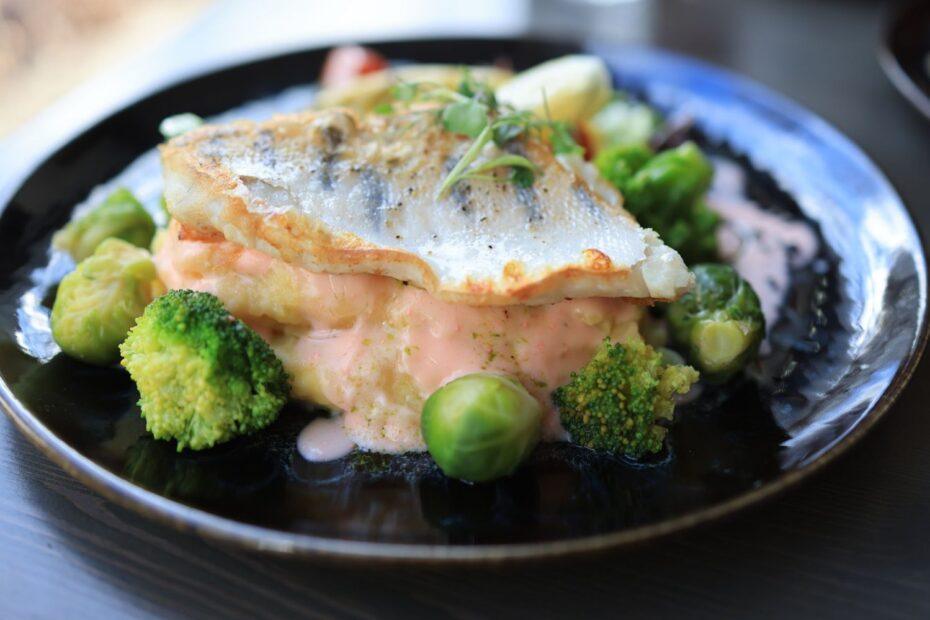
Maximizing Flavor and Nutrition Through Healthy Cooking Methods
Adopting healthy cooking methods is a cornerstone of effective weight management and overall well-being. These techniques focus on preserving the natural flavors and vital nutrients in food, while minimizing the addition of unhealthy fats, sugars, and excessive sodium. For individuals managing their weight, particularly those within the context of obesity management, understanding and implementing these approaches can transform everyday meals into opportunities for health enhancement.
Steaming: Gentle Preservation of Nutrients
Steaming is a remarkably gentle cooking method that relies on hot vapor to cook food. This process is excellent for retaining water-soluble vitamins, such as B vitamins and vitamin C, which can be leached out in boiling or simmering. Delicate ingredients like fish, poultry, and a wide array of vegetables benefit greatly from steaming. The method inherently requires no added fats, making it an ideal choice for calorie-conscious eating. For instance, a fillet of salmon steamed with fresh ginger and a sprig of cilantro retains its moist texture and delicate flavor, requiring only a light, healthy sauce or a squeeze of lemon afterward. Similarly, broccoli or asparagus steamed until tender-crisp offers a vibrant color and full nutritional profile, free from the added calories that frying or sautéing might introduce. This technique is particularly valuable for those aiming to understand calorie deficits and reduce overall intake.
Baking and Roasting: Flavorful Transformation
Baking and roasting utilize dry heat in an oven to cook food, transforming ingredients through caramelization and browning, which enhances natural flavors without the need for excessive added fats. When roasting vegetables like Brussels sprouts, sweet potatoes, or bell peppers, a light misting of a healthy oil, such as olive oil or pecan oil, can promote even browning and a delightful texture. Pecan oil, rich in monounsaturated fats, offers a neutral flavor profile that complements seasonings well and is considered a healthy cooking oil. For lean proteins like chicken breasts or fish, baking or roasting provides a moist interior and a slightly crisped exterior. Seasonings can be applied directly to the food, allowing herbs, spices, garlic, and onion to impart deep flavor. These methods are excellent for preparing larger batches of food, supporting consistent meal planning, and aligning with strategies for crafting balanced meal plans for weight reduction.
Grilling and Broiling: Intense Flavor with Minimal Fat
Grilling and broiling employ high, direct heat to cook food quickly, creating appealing char marks and a smoky flavor profile that can significantly reduce the need for heavy sauces or marinades. Grilling is ideal for lean meats, poultry, fish, and vegetables. Marinating foods in low-sodium, low-sugar marinades made with ingredients like lemon juice, herbs, garlic, and a touch of olive oil can add moisture and flavor. Broiling, which uses overhead heat, is excellent for quickly cooking thinner cuts of meat or fish and for toasting vegetables. Both methods allow excess fat to drip away from the food during cooking. For example, chicken skewers marinated in a mixture of lime juice, chili powder, and cumin, then grilled, offer a robust flavor. Similarly, thick-cut zucchini or eggplant slices broiled with a sprinkle of Italian herbs can become tender and slightly caramelized. These techniques align with the principles of understanding macronutrients by focusing on lean protein and vegetable preparation.
Stir-Frying: Quick, Nutrient-Rich Meals
Stir-frying involves cooking small pieces of food in a wok or large skillet over high heat with minimal oil, tossing them rapidly. This method is prized for its speed and ability to preserve the crispness and nutrients of vegetables. The quick cooking time means that vegetables like broccoli florets, snap peas, and thinly sliced carrots cook quickly, retaining their vibrant colors, satisfying crunch, and essential vitamins. Lean protein sources, such as thinly sliced chicken, beef, or tofu, cook rapidly in this environment. The key to healthy stir-frying lies in using a small amount of a heart-healthy oil and flavoring the dish with ingredients like soy sauce (or tamari), ginger, garlic, and a splash of rice vinegar, rather than relying on sugary or high-fat sauces. This method supports the incorporation of a variety of vegetables, contributing to the intake of fiber-rich foods, which are crucial for satiety and digestive health.