
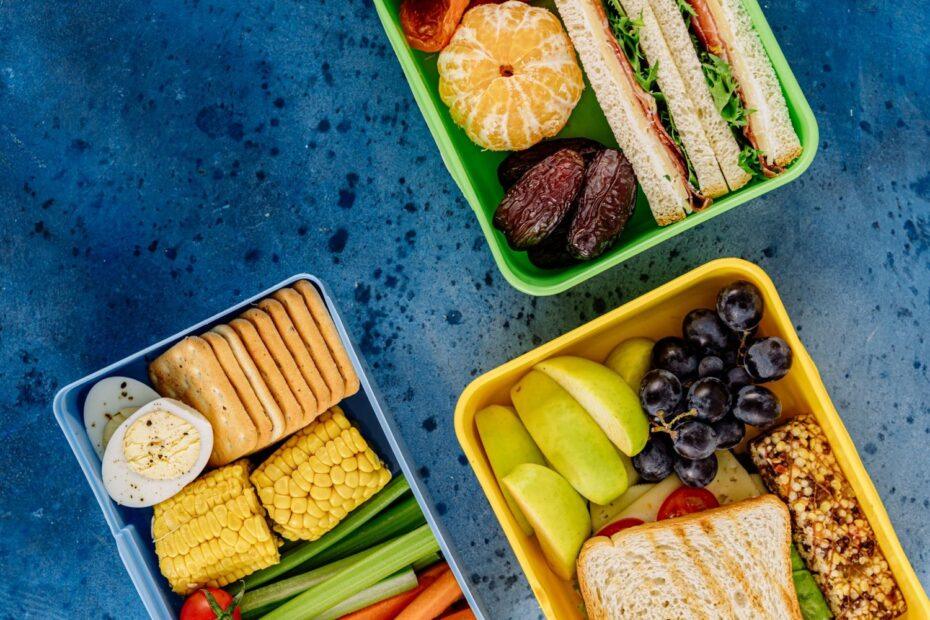
The Foundation of Success: Why Meal Prep Matters for an Obesity Diet Journey
Embarking on an obesity diet journey is a significant step toward improved health and well-being. Central to navigating this path successfully is a robust strategy for managing your nutrition, and meal preparation emerges as an indispensable tool. By dedicating time to plan and prepare meals in advance, individuals can gain substantial control over their dietary intake. This proactive approach helps circumvent impulsive food choices, often high in calories and low in nutrients, which can derail progress. Meal prepping fosters consistency, making it easier to adhere to specific caloric targets and macronutrient distributions crucial for weight management. Furthermore, it ensures that nutrient-dense, whole foods are readily available, supporting overall health, energy levels, and satiety, which are vital for sustained commitment to dietary changes.
Essential Tools and Pantry Staples
To effectively support your obesity diet journey through meal prep, assembling the right tools and stocking your pantry with versatile staples is key. Essential kitchen equipment includes durable, airtight food storage containers in various sizes for individual portions and larger batches. Investing in a good set of measuring cups and spoons aids in precise portion control and recipe adherence. A sharp chef's knife and a cutting board are fundamental for efficient chopping and dicing of vegetables and proteins. Consider a slow cooker or an Instant Pot for hands-off cooking of larger meals, saving time and effort during busy weeks. Your pantry should be stocked with long-lasting, nutrient-rich items such as whole grains (quinoa, brown rice, oats), legumes (beans, lentils), nuts and seeds, and healthy oils (olive oil, avocado oil). Keeping frozen fruits and vegetables on hand is also beneficial, as they retain most of their nutrients and offer convenience for quick additions to meals.
Strategic Meal Planning: Building Your Weekly Menu
A well-structured meal plan is the backbone of successful meal prepping for an obesity diet journey. Begin by assessing your weekly schedule to identify days when you'll have more time for cooking and days when you'll need quick, pre-prepared options. Consider your nutritional goals, including target calorie intake and macronutrient balance, and choose recipes that align with these requirements. Variety is important to prevent dietary boredom and ensure a broad spectrum of nutrients. Aim to incorporate a lean protein source, plenty of non-starchy vegetables, and a moderate portion of complex carbohydrates or healthy fats into each main meal. For instance, a Monday lunch might feature grilled chicken breast with roasted broccoli and a small serving of quinoa, while a Tuesday dinner could be lentil soup with a side salad. Planning snacks, such as Greek yogurt with berries or a handful of almonds, can also prevent overeating between meals. It is beneficial to write down your plan and create a corresponding grocery list to streamline your shopping trip.
Practical Prep Techniques: Cooking and Storing
Once your menu is set, the actual preparation and storage methods are critical for maintaining food quality and safety throughout your obesity diet journey. Batch cooking is a highly effective technique, involving preparing large quantities of versatile components like cooked grains, roasted vegetables, or grilled chicken that can be mixed and matched throughout the week. For instance, cooking a large batch of brown rice can be used in stir-fries, as a side dish, or added to salads. Proper storage is paramount; ensure all cooked food is cooled quickly before being portioned into airtight containers. Refrigerate meals that will be consumed within 3-4 days. For longer storage, freezing is an excellent option for many dishes, such as stews, soups, or pre-portioned casseroles. Labeling containers with the contents and date of preparation can help you keep track of your food and ensure it is consumed at its freshest.
Overcoming Challenges and Staying Motivated
Sustaining a meal prep routine for an obesity diet journey often involves navigating common obstacles. Time constraints are frequently cited as a barrier; however, dedicating a few hours once or twice a week for prep, perhaps on a Sunday, can yield significant time savings during the week. Cravings can also pose a challenge, but having healthy, pre-portioned snacks readily available can help manage these urges. If a planned meal doesn't appeal on a given day, having backup simple options like a large salad with pre-cooked protein can be a lifesaver. Plateaus in weight loss or energy levels are normal; in such instances, reassessing your meal plan for variety, portion sizes, or nutrient balance may be necessary. Celebrating small victories, such as consistently sticking to your meal plan for a week or noticing increased energy, can also provide powerful motivation to continue your journey.
Related reading